Caramelized Onions to Gruyere: Crafting 5-Star French Onion Soup
There are few dishes as universally comforting and elegantly satisfying as a perfectly executed
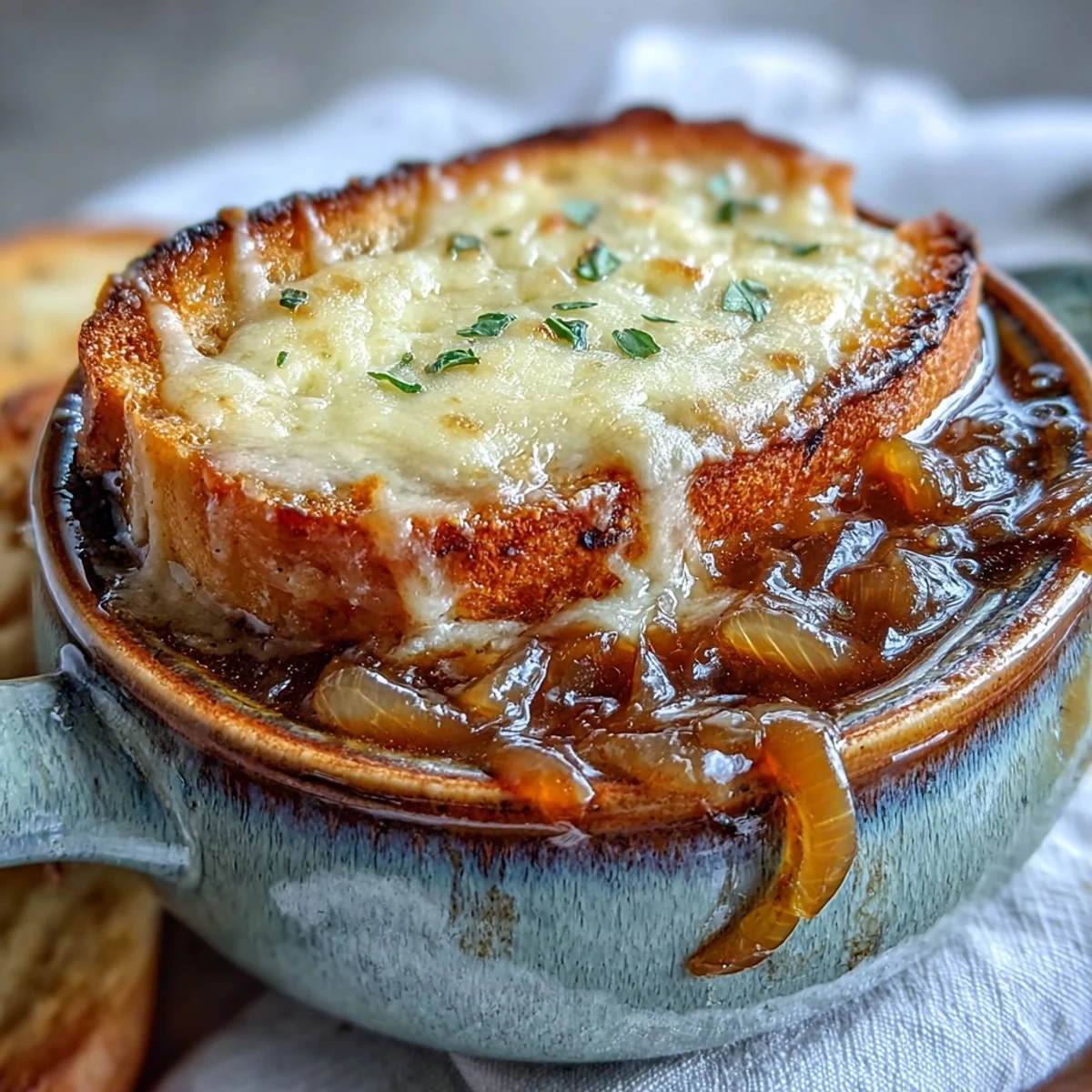
french onion soup. More than just a simple soup, it's a culinary experience – a symphony of deep, savory flavors crowned with a golden, bubbly blanket of melted Gruyere and crusty bread. This bistro-worthy classic transforms humble ingredients into a luxurious meal that tastes like it hails from a Michelin-starred kitchen, yet is surprisingly achievable in your own home. The secret? Patience, quality ingredients, and an appreciation for the art of flavor development. Prepare to embark on a journey that elevates simple onions and broth into a truly 5-star creation.
The Art of Caramelization: Beyond Just Sautéing
The heart and soul of any exceptional
french onion soup lies in its caramelized onions. This isn't merely sautéing; it's a slow, deliberate process that transforms sharp, pungent alliums into meltingly tender, sweet, and deeply golden jewels. This step alone dictates the richness and complexity of your final soup.
*
Why Caramelize? When onions are cooked slowly over low heat, their natural sugars break down and caramelize, undergoing the Maillard reaction. This process develops hundreds of new flavor compounds, creating that characteristic sweetness, depth, and umami that defines authentic
french onion soup. Sautéed onions, while softened and lightly browned, retain a sharper, less complex flavor profile.
*
Choosing Your Onions: While yellow onions can be used in a pinch,
sweet onions (like Vidalia or Walla Walla) are truly the best choice. Their higher sugar content allows for quicker and more profound caramelization, yielding a sweeter, more balanced base that harmonizes beautifully with the savory beef broth.
*
The "Babysitting" Process: Our reference aptly calls this "babysitting," and for good reason. You can't just set them and forget them. This step demands attention – consistent, low heat and frequent stirring (every 5-10 minutes initially, more often as they deepen in color) are crucial to prevent burning and ensure even caramelization. Aim for at least 45 minutes to an hour on the stovetop to achieve that rich, amber hue and velvety texture. A trick to enhance flavor and prevent sticking is to deglaze the pan with a splash of water or a tiny bit of broth if the fond (the browned bits at the bottom) starts to get too dark; scrape it up and incorporate it back into the onions. This rich fond is pure flavor!
*
Make-Ahead Magic: Don't have an hour before dinner? The good news is that perfectly caramelized onions can be made several days in advance and stored in the refrigerator, or even frozen for longer keeping. This allows you to break up the cooking process and enjoy a "quicker" assembly on soup night.
Building the Foundation: Broth, Wine, and Aromatics
With your exquisite caramelized onions ready, the next critical phase involves crafting the liquid foundation of your
french onion soup. This stage brings together the "backbone" ingredients that create that signature warming, cozy quality.
*
The Power of Quality Broth: A truly exceptional
french onion soup demands a robust and flavorful beef broth. Think of it as the canvas for your culinary masterpiece. While good-quality store-bought beef broth or stock is acceptable, consider elevating your soup by making your own homemade beef broth. A homemade broth, simmering for hours with bones, vegetables, and aromatics, provides unparalleled depth, richness, and a gelatinous body that store-bought versions often lack. If using store-bought, opt for a low-sodium version so you can control the seasoning yourself.
*
The Role of Wine: The addition of wine – typically a dry white like Sauvignon Blanc, or a fortified wine like dry sherry or even a dry red wine – is transformative. It's added after the onions are caramelized and reduced by half, concentrating its flavors and cooking off most of the alcohol. This step deglazes the pan, incorporates all the flavorful fond from the onions, and adds a crucial layer of acidity, sweetness, and depth that balances the richness of the beef broth. For an alcohol-free alternative, you can substitute with extra beef broth and a splash of white wine vinegar, apple cider vinegar, or sherry vinegar, though the flavor profile will be slightly different.
*
Aromatic Allies: Beyond the onions and wine, simple aromatics like minced garlic add another dimension of flavor. Garlic is often added to the soup itself during the simmering phase, contributing a mild, pungent warmth. Further enhancing the broth, a bay leaf and a sprig of fresh thyme can infuse a subtle, herbaceous note that complements the other rich flavors. Don't forget to remove these before serving!
For more insights into creating the perfect base, check out our guide on
Unlock Bistro Flavor: The Secret to Perfect Homemade French Onion Soup.
The Grand Finale: Cheesy Crown and Crispy Bread
The iconic cheesy topping is arguably what makes
french onion soup instantly recognizable and utterly irresistible. It's the crowning glory that delivers that satisfying pull of melted cheese and the comforting crunch of soaked, toasted bread.
*
Choosing Your Cheese: While various cheeses can melt beautifully,
Gruyere cheese is truly the gold standard for
french onion soup. Its creamy, nutty character, coupled with its excellent melting properties, creates an unforgettable flavor and texture. It offers a perfect balance that complements the sweet onions and savory broth without overpowering them. If Gruyere is hard to find, good alternatives include Comté, Fontina, or even a robust provolone, but Gruyere is worth seeking out for an authentic experience.
*
The Perfect Bread: A crusty French bread, specifically a good quality baguette, is traditional and ideal. Its open crumb structure allows it to soak up the flavorful broth without becoming completely soggy, while its crust maintains some integrity. Other fun twists include using sourdough, rye, or pumpernickel bread for different flavor profiles.
*
Assembly and Broiling: There are a few ways to achieve that glorious cheesy crust:
1.
In Broiler-Safe Crocks: This is the classic, most visually impressive presentation. Ladle the hot soup into oven-safe crocks, top with a generous slice of toasted bread, and then pile high with shredded Gruyere. Broil until bubbly and golden brown.
2.
Cheese on the Side: For a simpler approach or if you lack broiler-safe bowls, you can melt the cheese directly onto slices of toasted bread on a baking sheet and then float them on top of the soup as a garnish.
3.
The Garlic Rub: A simple yet impactful step is to toast your bread slices first (either in a toaster, under the broiler, or in a dry pan), then lightly rub one side with a cut clove of fresh garlic. This adds a subtle, aromatic layer that truly makes the flavors pop.
Tips for Success: Elevating Your French Onion Soup Game
Crafting a 5-star
french onion soup is an exercise in patience and thoughtful execution. Here are some actionable tips to ensure your homemade version rivals the best bistros:
*
Embrace the Low and Slow: This mantra applies most intensely to the onions. Resist the urge to crank up the heat to speed things along. Low and slow is the path to deep, complex caramelization.
*
Seasoning is Key: Don't forget to season at multiple stages. A little salt with the onions helps draw out moisture and aids caramelization. Taste and adjust the seasoning of your broth after simmering and before serving. Remember, salt enhances flavor, so don't be shy, but add gradually.
*
Deglaze for Depth: Always scrape up the fond (browned bits) from the bottom of the pan after caramelizing onions and again after adding the wine. These are concentrated flavor powerhouses.
*
Don't Skip the Simmer: Allowing the broth to simmer for the recommended time (around an hour after adding wine and broth) is crucial. This isn't just about heating; it's about allowing all the flavors to meld and deepen, creating that cohesive, rich profile.
*
Safety First with Broiling: When broiling, keep a close eye on your soup crocks. Cheese can go from perfectly golden to burnt in a matter of seconds. Use oven mitts when handling hot crocks.
*
Serve Immediately: French onion soup is best enjoyed piping hot, straight from the broiler, when the cheese is still wonderfully gooey and the bread perfectly infused.
For more detailed mastery, explore
Time-Tested Perfection: Master Authentic French Onion Soup at Home.
Conclusion
From the patient transformation of humble onions into glistening, sweet jewels to the rich, savory depth of a carefully simmered broth, and finally, the crowning glory of a cheesy, garlic-rubbed baguette, every step in crafting
french onion soup is a labor of love. It’s a dish that truly embodies the idea that time is the secret ingredient, transforming simple components into a luxurious, unforgettable dining experience. By following these steps and embracing the nuances of each stage, you're not just making a soup; you're crafting a 5-star culinary masterpiece that will impress and comfort in equal measure. So, gather your ingredients, clear your schedule, and prepare to indulge in the warm embrace of homemade
french onion soup.