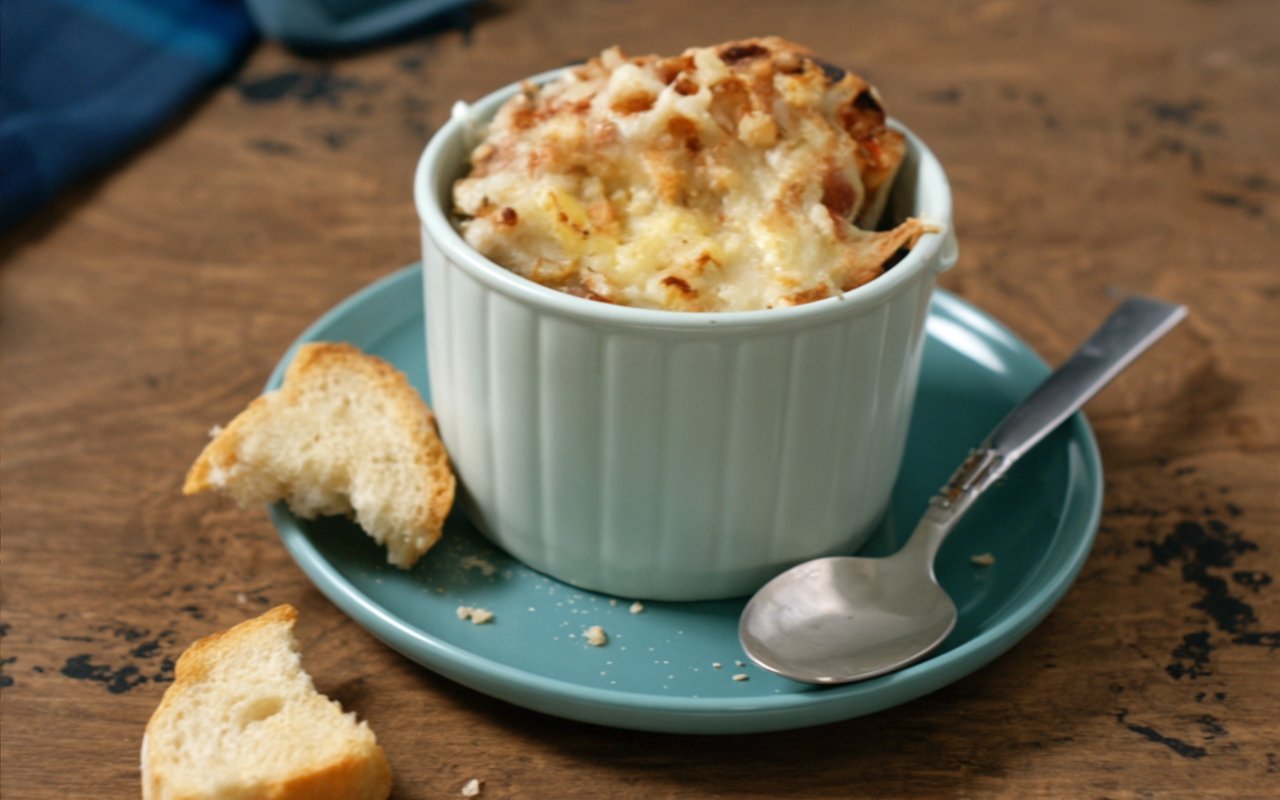
Time-Tested Perfection: Master Authentic French Onion Soup at Home
There are few dishes that evoke such a profound sense of comfort and gourmet elegance as a perfectly crafted bowl of French Onion Soup. With its glistening, deeply caramelized onions, rich, savory broth, and a luxurious cap of bubbling, melted cheese atop a crusty bread crouton, it's a dish that transcends its humble ingredients to become a culinary masterpiece. Often seen gracing the menus of upscale bistros, this classic
French onion soup is surprisingly within reach for the home cook. While it demands patience, the journey from simple alliums to a truly extraordinary soup is a rewarding one, promising a five-star dinner that rivals any restaurant creation.
This isn't merely a recipe; it's an exploration of technique, a testament to the transformative power of time, and a guide to unlocking the depths of flavor that make French Onion Soup a beloved classic across generations. Forget the notion that it's overly complicated – we’re here to demystify the process, turning you into a French soup savant.
The Culinary Alchemy of Caramelized Onions: The Soup's Sweet Heart
The very soul of
French onion soup lies in its caramelized onions. This crucial first step, often affectionately referred to as "babysitting the onions," is where patience truly becomes your secret ingredient. It's a process that separates merely softened onions from those that are meltingly tender, deeply golden-brown, and intensely sweet.
*
Understanding Caramelization: Unlike sautéing, which aims for a quick softening and light browning, caramelization is an extended chemical process. The natural sugars within the onions break down and polymerize, transforming their once-sharp pungency into a complex, mellow sweetness. Simultaneously, the Maillard reaction occurs, contributing to the rich brown color and savory depth. This intricate dance of chemistry is why it simply *cannot* be rushed.
*
The Time Commitment: Expect to spend at least 45 minutes to an hour on the stovetop for the onions to reach their peak perfection. While it requires frequent stirring to prevent burning and ensure even cooking, it's not constant. You'll find a rhythm as they slowly transform, going from opaque to translucent, then golden, and finally a deep, burnished brown.
*
Choosing Your Onions: For the most naturally sweet and tender results, opt for sweet onion varieties like Vidalia, Walla Walla, or Maui onions. Their higher sugar content accelerates the caramelization process and contributes to a more pronounced sweetness in the final soup. In a pinch, standard yellow onions work well, though they might require a touch more patience to achieve the same level of sweetness.
*
Expert Tip: Use a wide, heavy-bottomed pot or Dutch oven. This provides ample surface area for the onions to brown evenly without steaming. If the onions start to stick too much, deglaze the pan with a splash of water, broth, or even a little wine – this helps lift the flavorful browned bits (fond) from the bottom, incorporating them back into the onions. You can prepare these magnificent onions several days in advance, making your soup assembly day much smoother. For more insights on perfecting this foundational element, consider
Caramelized Onions to Gruyere: Crafting 5-Star French Onion Soup.
Crafting the Soul of the Soup: Broth and Deep Flavors
Once your onions have reached their sweet, golden zenith, it's time to build the robust liquid foundation of your
homemade French onion soup. The broth is truly the "backbone" of this dish, and its quality directly impacts the soup's overall richness and depth.
*
The Backbone: Beef Broth: Using a high-quality beef broth is non-negotiable. While store-bought is perfectly acceptable, seek out brands that are rich in flavor and preferably low in sodium, allowing you to control the seasoning. For an unparalleled depth, consider making your own homemade beef broth or bone broth – the difference in complexity is remarkable. Avoid thin, watery broths at all costs, as they will leave your soup tasting hollow.
*
The Role of Wine: A splash of fortified wine, traditionally dry sherry or a good dry white wine, adds a sophisticated layer of richness and acidity. When reduced by half, the wine’s complex flavors concentrate, contributing a savory depth and a subtle tang that balances the sweetness of the onions. The alcohol cooks off during this reduction, leaving behind only its magnificent flavor.
* **Alcohol-Free Alternative:** If you prefer to omit alcohol, you can still achieve a similar flavor profile. Simply substitute the wine with an equal amount of beef broth, enhanced with a splash of white wine vinegar, apple cider vinegar, or sherry vinegar. These vinegars mimic the acidity and some of the nuanced fruitiness that the wine provides.
*
Aromatic Boost: Garlic: Fresh garlic is a humble but mighty addition. It’s incorporated into the soup itself, lending its pungent aroma and flavor. But don't stop there – rubbing raw garlic cloves onto the toasted bread before adding the cheese is a classic trick that provides a subtle yet essential garlicky kick, making the overall flavors pop.
*
The Simmering Stage: After combining the caramelized onions, broth, and reduced wine, the soup needs time to simmer. A good hour of gentle simmering allows all the flavors to marry and deepen, transforming individual components into a cohesive, warming, and truly comforting experience. This slow melding of ingredients is crucial for developing that characteristic cozy quality that defines authentic
French onion soup.
The Grand Finale: Irresistible Cheesy Topping
No bowl of
French onion soup is complete without its signature crown: a bubbling, golden crust of melted cheese over a perfectly toasted bread crouton. This final element adds texture, richness, and an undeniable visual appeal.
*
The Perfect Cheese: Gruyère: While several cheeses can melt beautifully, Gruyère stands out as the ultimate choice for
classic French onion soup. Its creamy, nutty, slightly sweet, and earthy character complements the savory broth and sweet onions flawlessly. It also boasts exceptional melting properties, forming that desirable, gooey, stretchy top. If Gruyère is hard to find, Comté, Fontina, or Emmenthaler (Swiss) are good alternatives, though they may not offer the same depth of flavor.
*
The Bread Component: A crusty French baguette is the traditional choice, offering a sturdy base that can withstand being soaked in the rich broth without completely disintegrating. Slice it thickly (about 1/2 to 3/4 inch) and toast it until golden before adding cheese.
* **Twist on Tradition:** Don't be afraid to experiment! Rye, pumpernickel, or even a robust sourdough can offer interesting flavor variations, adding another layer of complexity to your soup.
*
Assembling the Topping: You have a couple of options for this dramatic finish:
1. **Broiler-Safe Crocks:** For an authentic, restaurant-style presentation, ladle the hot soup into individual broiler-safe crocks or ceramic bowls. Float a toasted bread slice on top, generously pile on the grated Gruyère, and place under a preheated broiler. Watch carefully! The cheese will melt and bubble quickly, turning golden brown in just a few minutes.
2.
Separate Topping: If you don't have broiler-safe bowls, you can melt the cheese directly onto the toasted bread slices on a baking sheet. Once golden and bubbly, carefully place these cheesy croutons on top of freshly ladled soup just before serving.
*
Broiler Best Practices: Always keep a close eye on your soup under the broiler, as cheese can go from perfectly melted to burnt in seconds. Position the rack about 6-8 inches from the heat source to ensure even melting without scorching. Achieving that perfect bistro-quality finish is easier than you think, and with these tips, you're well on your way to
Unlock Bistro Flavor: The Secret to Perfect Homemade French Onion Soup.
Expert Tips for Unforgettable Flavor and Seamless Preparation
Beyond the core steps, a few extra insights can elevate your
French onion soup from great to truly unforgettable.
*
Seasoning is Key: Taste your soup at every major stage – after caramelizing onions, after adding broth and wine, and before serving. Adjust salt and pepper as needed. Remember that the cheese topping will add some salinity, so season the broth to a slightly lower level initially.
*
Serving with Care: Those broiler-safe crocks get incredibly hot! Always serve them on a small plate or coaster to protect your table, and warn your guests to handle them with oven mitts or a napkin.
*
Prep Ahead for Ease: The longest step, caramelizing the onions, can be done up to 3-4 days in advance and stored in the refrigerator. You can even freeze caramelized onions for future use. This allows you to prepare the soup on a weeknight with significantly less hands-on time.
*
Garnish (Optional): A sprinkle of fresh thyme or chives can add a touch of color and fresh herbaceousness, though the soup is perfectly delicious on its own.
Conclusion
Mastering
authentic French onion soup at home is a culinary journey that rewards patience with unparalleled flavor. From the sweet alchemy of perfectly caramelized onions to the rich embrace of a deeply savory broth and the luxurious finish of bubbling Gruyère, every step contributes to a dish that is far greater than the sum of its parts. It's a testament to how humble ingredients, when treated with care and respect for time, can transform into a truly extraordinary meal. So, gather your ingredients, clear your schedule for a little "onion babysitting," and prepare to impress your taste buds with a bistro-worthy classic right in your own kitchen. The first spoonful will undoubtedly confirm: it was well worth the effort.